
Spray Foam Insulation Dallas: Stop Paying $500+ Electric Bills
Why Are There 50 Spray Foam Insulation Companies Near Me But Only 3 I'd Actually Trust With My Home?
Every month you delay spray foam insulation in Dallas, you’re losing $200+ to your utility company. That’s $2,400 a year—gone forever.
⭐ 6,500+ Projects | 📍 DFW-Based | ⏱️ 24-48hr Response | ✅ No Subcontractors
What 6,500+ Dallas Homeowners Experienced After Calling Us
We don’t just spray foam—we end years of discomfort and wasted money. From the first phone call with us to the moment your house feels comfortable for the first time, we’re with you. No subcontractors. No disappearing acts. Just results.
Satisfied Clients
Projects Completed
Years of Experience
Sq. Ft. Insulated

If your Dallas home is uncomfortably hot in summer and freezing in winter despite running your HVAC 24/7, spray foam insulation solves it—permanently. Unlike fiberglass or blown-in insulation that lets air leak through, spray foam creates an airtight seal in your attic that stops Texas heat from radiating into your living space. Over 6,500 DFW homeowners stopped wasting $200+ monthly by choosing professional spray foam insulation contractors who handle closed cell foam correctly for our brutal climate. The question isn’t whether you need spray foam installers—it’s whether you’ll wait another expensive, uncomfortable summer before taking action.
Stop Losing $200 Every Month to Your Utility Company
📞 Text or call (214) 771-3597 for your free thermal imaging assessment
Closed Cell vs Open Cell Spray Foam: Which Dallas Homeowners Actually Need?

Most Dallas homeowners get three quotes and hear three different recommendations—one says closed cell, another pushes open cell at half the price. Here’s the truth: in Dallas attics facing 140-degree heat, your climate makes the decision, and choosing wrong costs you $2,000+ annually.
Why 90% of Dallas Attics Require Closed Cell Foam (Not Open Cell)
Your attic hits 140°F in July. Closed cell brings it to 100-110°F. Open cell only to 120-130°F. That 20-degree gap makes your AC work 40% harder, costing $150-250 more monthly. The "cheaper" option wastes $2,000/year.
- R-6.5/inch (closed) vs R-3.5/inch (open)
- Moisture barrier vs moisture-permeable
- Structural reinforcement included
Closed Cell Spray Foam Benefits for Dallas Climate
Double the R-value in same space. Airtight moisture barrier prevents mold. Extends HVAC life 8-12 years. A North Dallas homeowner cut bills from $520 to $310 monthly—18-month payback on the premium product.
- 140° attic temps demand maximum resistance
- Humid Texas summers need vapor barrier
- Equipment protection = long-term savings
When Open Cell Spray Foam IS the Right Choice
Interior walls (sound dampening), cathedral ceilings (8+ inches depth), spaces without extreme temps. Perfect for home theaters, nursery walls, bonus rooms. Match product to application, not just price.
What Actually Changes in Your Home After Spray Foam Installation
Your 85-degree bedroom becomes 72. Your $520 bill drops to $310. Your AC finally cycles off. This is what 6,500+ Dallas families experienced within 24-48 hours.

Finally Sleep Without Sweating
A Frisco mother’s daughter hadn’t slept in her own bedroom for two summers—too hot. We finished their attic Thursday. That night: “Mommy, my room is actually COLD!” Three months later, 72 degrees all summer without AC running constantly. That’s a child sleeping in her own bed again.

Your Bills Drop 30-50% Immediately
Average Dallas homeowner: summer bills drop from $450-550 to $250-320. That’s $200+ monthly, $2,400+ annually. A Garland couple financed at $120/month, saved $195/month from day one—net positive cashflow immediately. Payback in 21 months, then $2,340/year profit for 25+ years.
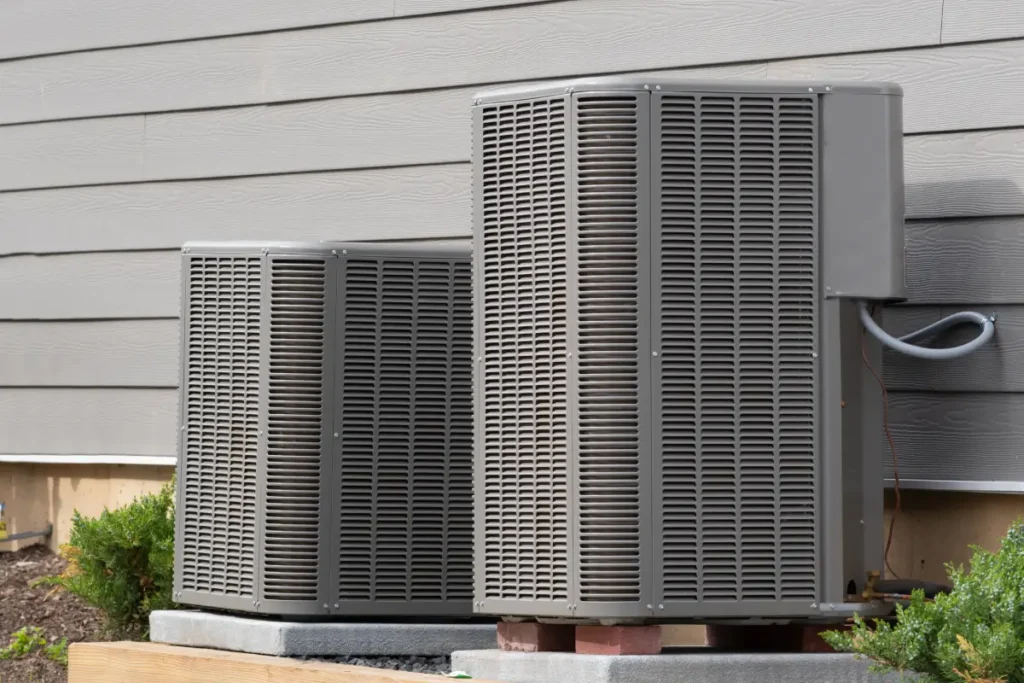
Your Air Conditioner Finally Cycles Off
McKinney homeowner spent $13,000 on new AC—still ran 18 hours daily. After spray foam: “My AC just cycled OFF. I didn’t know it could do that.” Two summers later, zero repairs. Equipment will last 20+ years instead of burning out in 10. Spray foam saves your $12,000 HVAC investment.

Stop Outside Allergens, Humidity, and Pollution
Spray foam stops everything from entering your attic. Dallas pollen, humidity, pollution normally infiltrate through fiberglass gaps. Spray foam creates complete air barrier—your indoor air is only what your HVAC filters. McKinney family’s daughter with asthma: inhaler use dropped 60% in first month.

Cut Outside Noise
by 50-80%
Spray foam’s dense structure absorbs sound waves fiberglass lets through. Homeowners near I-635: highway noise dropped from “always there” to “barely noticeable.” Townhome shared walls? Real privacy. Even HVAC sounds quieter. Richardson homeowner: “I didn’t realize how loud my house was until it went silent.”
Spray Foam Insulation Services Across Dallas Neighborhoods
Our sApray foam insulation team serves homeowners across Dallas including North Dallas, Lake Highlands, Preston Hollow, University Park, and East Dallas. Many homes in these neighborhoods experience high cooling costs during Texas summers due to poor attic insulation.
Our spray foam solutions are designed specifically for Dallas homes dealing with extreme heat, humidity, and high energy consumption.
Licensed, Certified, and Locally Accountable Here's Proof


What DFW Homeowners Say After Their First Summer With Spray Foam
Common Questions From Dallas Homeowners Before Installing Spray Foam
You’re not alone in having questions—every homeowner we’ve worked with asked some version of these before moving forward. The difference between those still researching and those already saving $200/month? They got honest answers from someone who wouldn’t BS them. Here’s everything you’re wondering about, with the truth contractors won’t always tell you.
Because they asked a smarter question than “Can we afford this?” They asked “What are we wasting now?” Turns out they were hemorrhaging nearly $500/month every summer on electric bills. Here’s the math that changed everything: their current waste over five summers equaled more than the entire project cost. The spray foam would save them roughly $200/month—meaning the investment paid itself back in under two years, then became pure profit for decades. They financed it and their monthly savings exceeded their monthly payment from day one. For a typical Dallas home, the investment varies based on attic size and whether we’re removing old insulation, but here’s what never changes: if your monthly savings exceed your monthly payment, you’re not spending money—you’re making it. Want to know your exact numbers? That’s what the free assessment is for—we’ll show you what you’re currently losing and what you’d actually save.
She’d learn the horror stories online come from bad contractors, not the product. Improperly mixed spray foam absolutely can smell and cause problems—that’s why equipment calibration matters. Once properly cured (24-48 hours), it’s completely inert and as safe as the PVC pipes in your walls. We told her to stay at her mom’s for two days during curing. When she came home: zero smell, comfortable nursery, complete peace of mind. Three years later, her daughter is healthy and she refers every pregnant friend to us. The key isn’t the product—it’s who’s installing it. We use the best products and show you our calibration logs before we spray.
Because spray foam doesn’t have an expiration date—it’s basically indestructible. Those 1980s installations are still hitting original R-values four decades later. Meanwhile, fiberglass you installed last year is already compressing, losing 10-15% annually. By year 10, it’s lost half its effectiveness. Spray foam bonds structurally to your roof deck—it can’t sag, settle, or compress. A homeowner in Frisco had us inspect spray foam the previous owner installed in 1992. Thirty years old. Still perfect. Still performing. That’s the difference: spray foam is a one-time investment for the life of your home. You’ll replace your roof and HVAC before spray foam needs attention. It lasts 25+ years minimum, but honestly? We’ve never seen properly installed spray foam fail. Ever.
Spoiler: the baby never woke up. They were panicking about construction noise and chaos with a newborn. Here’s what actually happened: we showed up at 9 AM, worked quietly in the attic (not their living space), and finished by 2 PM. The baby slept through everything. The “disruption” was hearing our spray equipment for a few hours—think vacuum cleaner hum, not jackhammer. No drywall removal, no interior mess. They left for lunch during the 2-hour ventilation period and came home to a house already 5 degrees cooler. The baby woke up from her nap in a comfortable room for the first time all summer. Most attic installations take 4-8 hours total. The biggest surprise? How un-disruptive it actually is compared to what people imagine.
In many older Dallas-area homes, insulation that appears to be in good condition may actually be underperforming. Over time it can compress, shift, or become contaminated by dust, moisture, or pests. Even small gaps in the attic floor can allow conditioned air to escape, which reduces overall efficiency.
In some cases, removing aging insulation allows technicians to properly air-seal the attic before installing new insulation. That air sealing step often makes the biggest difference in energy performance because it prevents conditioned air from leaking into the attic. During a professional inspection we evaluate the existing insulation and explain whether it should remain in place or be replaced to improve long-term performance.
His kids go to the same schools as yours. He shops at your Tom Thumb. His reputation isn’t managed by corporate marketing—it’s managed by every neighbor who sees his work. Franchises send subcontractors they don’t directly employ. If something goes wrong in two years, the franchise points to the subcontractor whose phone is now disconnected, and you’re stuck. A local owner-operator doesn’t have that luxury. Percival lives in Rockwall, has done 6,500 homes in DFW, and can drive you past 100 in a 10-mile radius. If he messes up your job, he messes up his name in the community where his family lives. You’ll talk to the same person from quote to installation to that call you make in five years. Same cell number. Same guy. He can’t disappear because he’s not going anywhere.
Many homeowners evaluate insulation upgrades by comparing long-term energy savings with installation costs. When insulation significantly reduces heating and cooling demand, the monthly energy savings can offset part of the investment over time.
Several financing options and efficiency incentives may also be available depending on the project and location. During the home assessment we review potential efficiency improvements and help homeowners understand how insulation upgrades may impact their long-term energy costs.
Because the energy loss doesn’t pause while you decide. In many Dallas-area homes, air leaks and poor attic insulation force the air-conditioning system to work much harder than necessary. That extra strain shows up on the utility bill every single month.
We’ve seen homeowners delay their decision for weeks or months while comparing options. During that time, the home continues losing conditioned air through the attic and other gaps in the building envelope. Those unnecessary energy costs add up quickly.
Most projects can be scheduled shortly after a home assessment, depending on the season and availability. During peak summer months demand is higher, so planning ahead helps ensure your project is completed before the hottest weather arrives.
If you’re still evaluating your options, the best step is to start with a professional assessment. That inspection shows exactly where your home is losing energy and what improvements will make the biggest difference.
Call (214) 771-3597 to schedule your home assessment and see what’s really happening in your attic.
Both options can work well in Dallas homes, but the right choice depends on the structure of the house and the goals of the homeowner. Open-cell foam is often used in attics for air sealing and sound control, while closed-cell foam provides a higher R-value per inch and adds moisture resistance. During the inspection we evaluate attic conditions, ventilation, and roof structure to recommend the option that performs best for your home.
Energy savings vary depending on factors such as the size of the home, existing insulation condition, and how much air leakage is present. However, many Dallas homeowners report noticeable reductions in energy usage after installing spray foam insulation, particularly during peak summer months when cooling costs are highest. During your home assessment we evaluate your attic and insulation performance to estimate potential efficiency improvements.
Dallas summers put extreme stress on homes, especially in attics where temperatures can exceed 130°F. Spray foam insulation helps by sealing air leaks and creating a continuous thermal barrier, which prevents conditioned air from escaping and hot outdoor air from entering. Many homeowners notice more stable indoor temperatures and reduced strain on their air-conditioning system once the attic is properly sealed and insulated.
Stop Losing $200 Every Month—Here's What Happens Next
You’ve read the stories. You’ve seen the math. You know your house is bleeding money through your attic right now. The only question left: how much longer will you wait? We can schedule your free thermal imaging assessment within 7 days—you’ll see exactly where your money is escaping on a screen in real-time. No pressure, no obligation, just facts. Most homeowners who see their thermal scan book installation within 48 hours because the problem becomes impossible to ignore.